
When is the best time for a horse safari in Tanzania?
Tanzania lies just south of the equator and on the whole enjoys a tropical climate, so our riding seasons follow the rains rather than summer and winter.
Our riding seasons
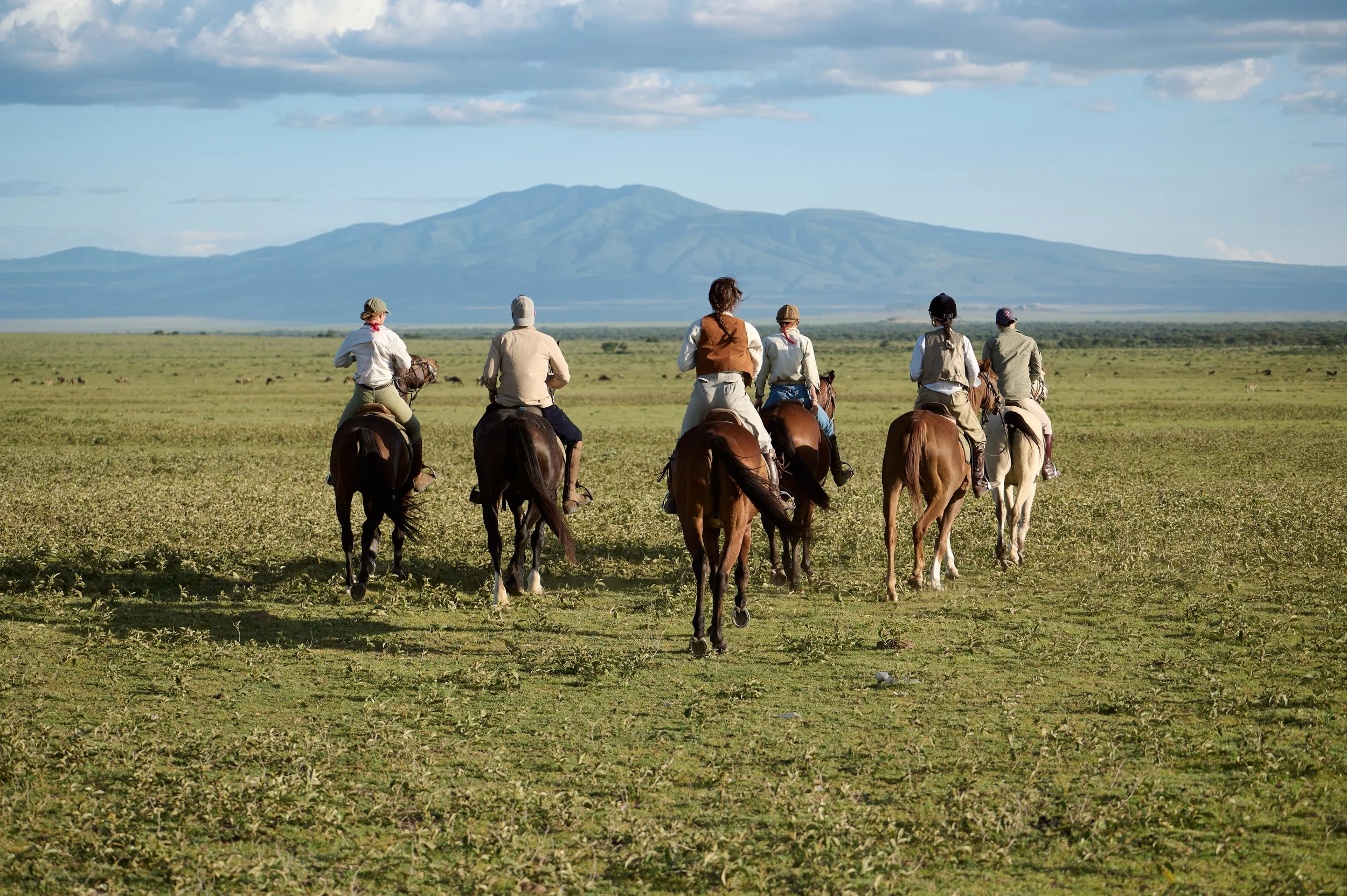
We ride from June to November, and again from January to mid-April.
The rains
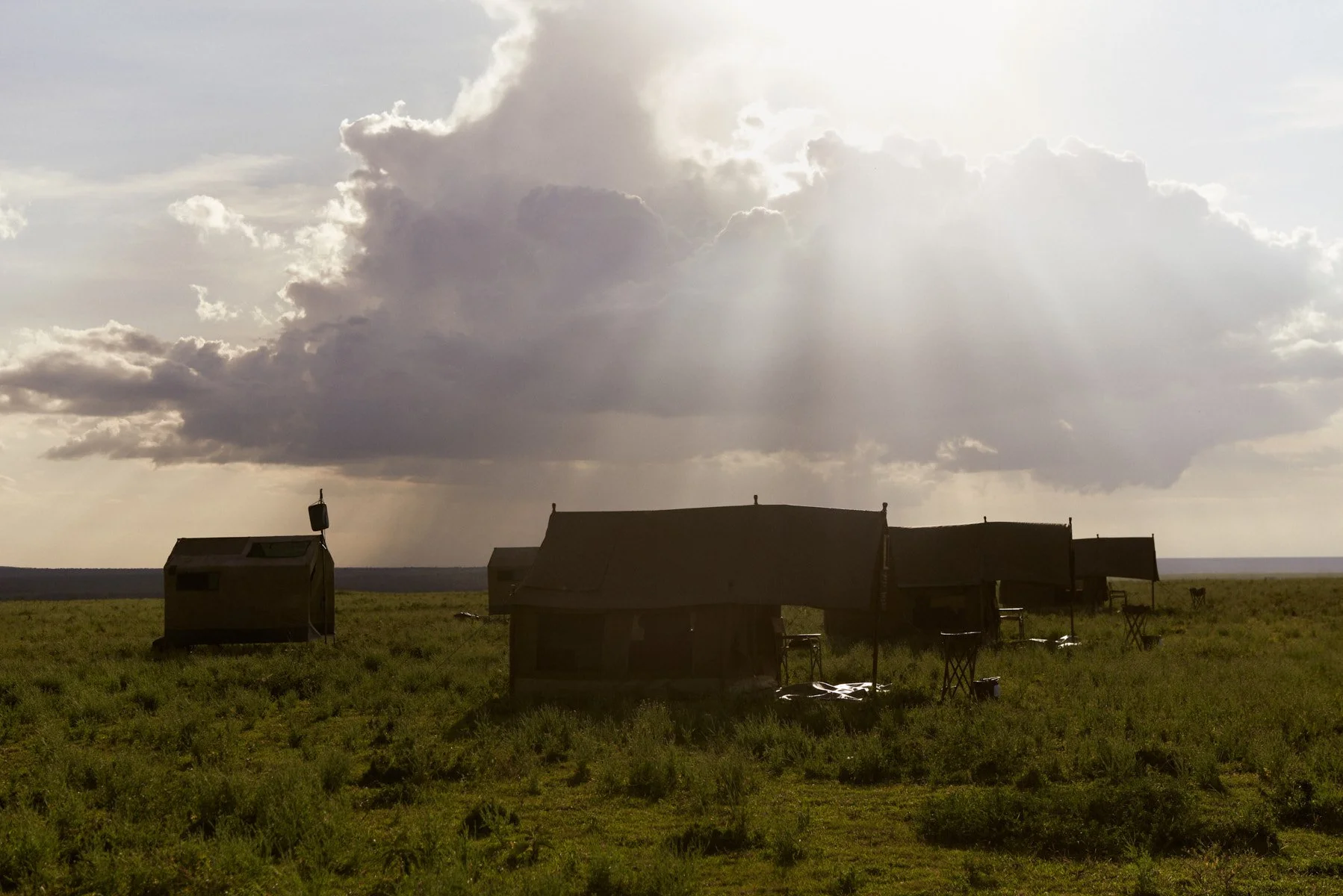
There are two rainy seasons, the short and the long rains. The long rains, called Masika, fall from mid-April to May, and the shorter rains, called Mvuli, fall from November to mid-January. The rains are very hard to foresee, so we always recommend packing a light raincoat. It is better to be prepared than unprepared.
The dry season
The cooler climate comes with the dry season, which lasts from May to October. During the dry season some areas become desert-like, so sunglasses and a scarf or bandana for the dust are well worth bringing.
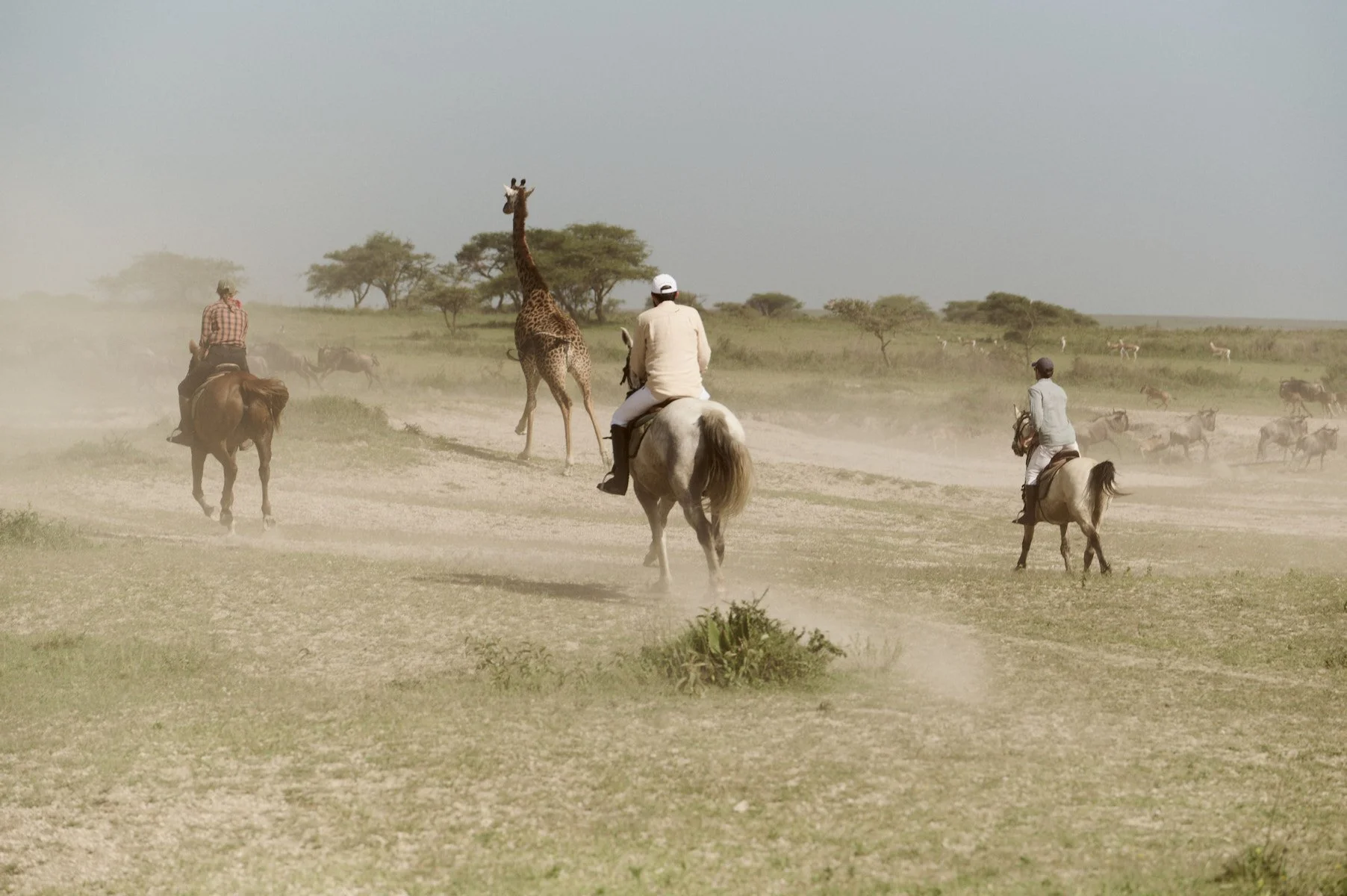
Every ride follows the game
Each itinerary is subject to change due to the movement of game and the weather. Our routes are designed for the best possible wildlife viewing and for terrain that suits the horses, so any change is always to the benefit of the journey on horseback.
Compare our rides on the All Safaris page, read our Safari Information & FAQ, or get in touch and we will help you choose your dates.
LET’S RIDE